



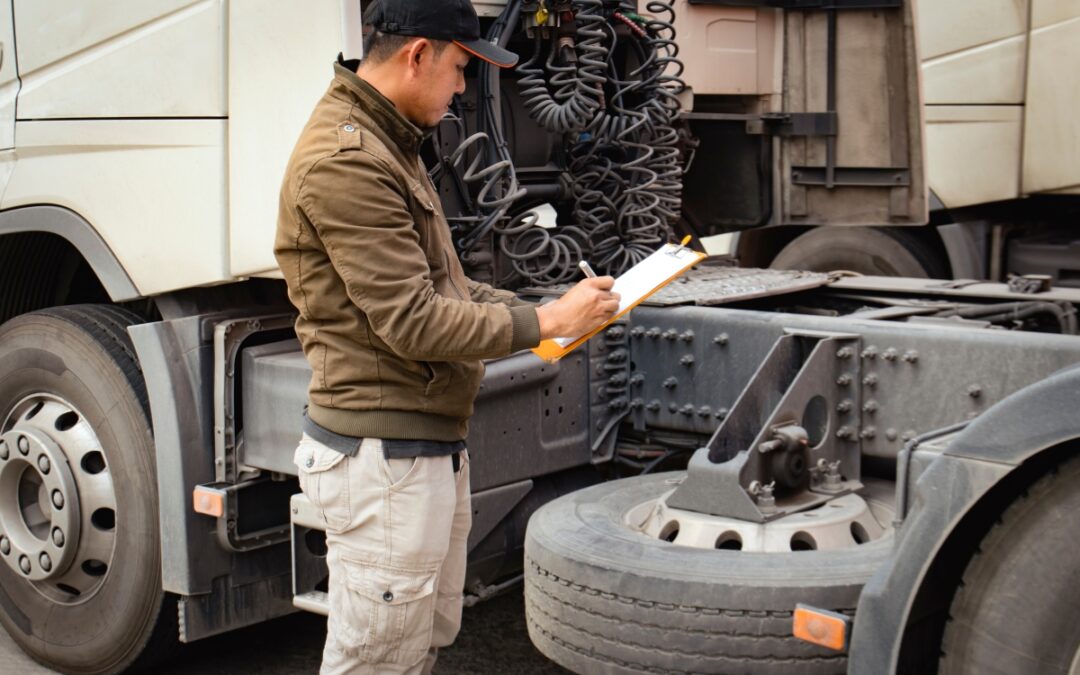
In the heavy hauling industry, your trailer isn’t just a piece of equipment. It’s the foundation of your business and a direct factor in highway safety. When you’re moving multi-ton excavators, industrial transformers, or massive structural steel components, there’s no margin for failure. A hairline crack in a frame weld or a neglected wheel-end bearing can cause roadside breakdowns, cargo loss, costly DOT fines, and serious liability.
Proactive inspection and disciplined maintenance are what separate professional operators from everyone else. Here’s a comprehensive guide to inspecting, servicing, and maintaining your heavy hauler the way experienced industry veterans actually do it.
The Inspection Framework: Daily, Post-Trip, and Periodic
#image_title
Consistency is the foundation of any professional maintenance program. Waiting for something to fail always costs more than preventing it.
The Daily Walk-Around
Every trip needs a proper physical assessment, not a quick glance. A thorough walk-around should take 15 to 20 minutes and cover three types of checks:
- Visual scanning: Look for fresh rust, bent components, or sections that appear to be sagging
- Touch checks: After a short roll, feel the hubs for excessive heat, check airline connections, and test all securement tie-downs
- Operational checks: Confirm all lights, blinkers, and ABS indicators are functioning before leaving the yard
Scheduled Preventative Maintenance Intervals
Daily checks are the baseline, but heavy haulers endure extreme stress cycles that require milestone-based servicing:
Every 30 days or 10,000 miles: Lubricate all grease points, verify suspension torque values, inspect brake linings, and check tire wear patterns.
Every 90 days or 25,000 miles: Full structural weld inspection, hydraulic fluid analysis on RGNs, fifth wheel or kingpin wear assessment, and comprehensive electrical testing.
Annually: Wheel-end teardown inspection, complete brake system overhaul, and non-destructive testing (NDT) on high-stress frame areas when operating in demanding conditions.
The Structural Skeleton: Frame, Deck, and Welds
Heavy haul trailers, whether RGNs, lowboys, or multi-axle platform trailers, must endure enormous bending and torsional forces. Staying ahead of structural fatigue is non-negotiable.
Identifying Stress Cracks and Fatigue
Heavy loads concentrate stress at specific points: manufacturing joints, corners, and gussets.
Where to look: Examine gooseneck transition areas, drop-side flanges, crossmember connections, and suspension sub-frames carefully.
The rust trail indicator: A thin line of rust dust or staining running from a painted joint means the metal is flexing and working against itself. This is typically an early warning sign before a visible crack develops.
Action plan: Wire brush the suspect area clean. If a crack is confirmed, drill a small stop-hole at each end of the crack to prevent it from propagating further, then have a certified structural welder make the proper repair immediately.
Deck Maintenance: Wood vs. Steel
Wood decking (apitong and oak): Heavy machinery with crawler tracks, steel outriggers, and chain binders puts severe wear on wood decks. Inspect regularly for splintering, rot, and loose board bolts. Tighten recessed bolts on a regular schedule since loose boards can catch on loading equipment. Apply a protective sealant or oil periodically to prevent moisture absorption and warping.
Steel decking: Less maintenance-intensive overall, but non-skid coatings and traction strips require regular inspection. Machinery tracks wear down traction patterns over time, creating slip hazards during loading in wet conditions. Check for scratches or chips in the protective finish and address them with touch-up paint before rust develops.
Suspension and Axles: Handling the Load

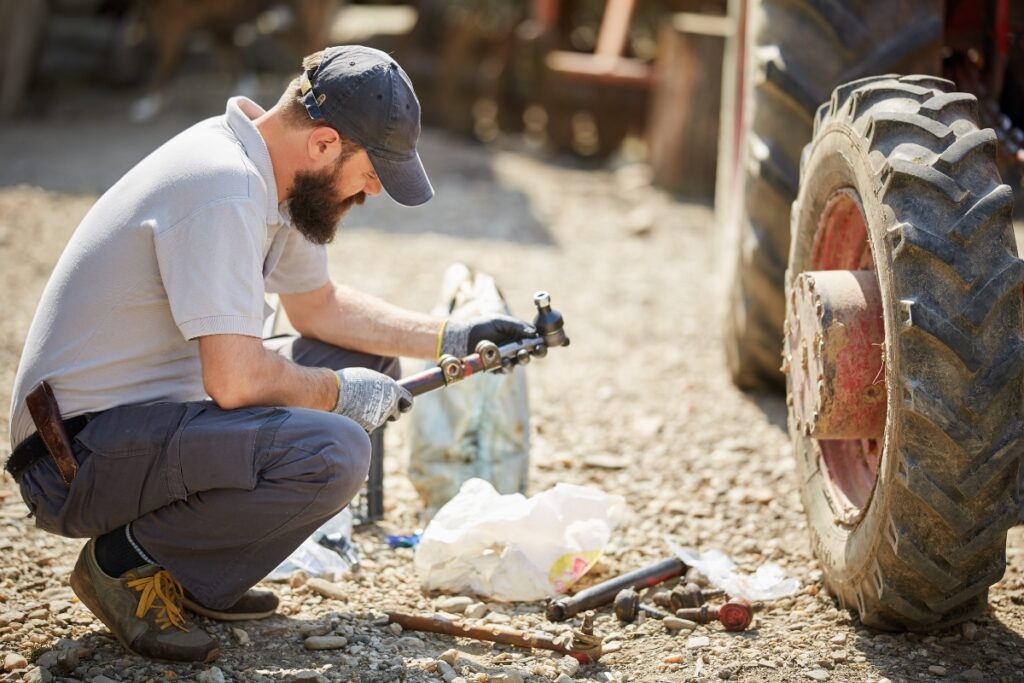
#image_title
The suspension system absorbs road energy and distributes enormous weight across multiple axles. Letting it degrade puts everything else at risk.
Leaf Springs and Air Ride Systems
Mechanical spring suspensions: Inspect leaf springs for broken, cracked, or shifted leaves. Check equalizers, torque arms, and bushings for dry rot, cracking, or excessive play. Worn rubber bushings allow axle movement, which causes dog-tracking and accelerated, uneven tire wear.
Air ride suspensions: Check air bags for dry rot, cracks, and abrasions, and verify correct inflation pressure. Ensure height control valves are functioning and not leaking. A failing height control valve causes uneven weight distribution across axle groups, a serious problem under permit loads.
Trunnions and Beam Walkers
On multi-axle trailers with beam-type or walking-beam suspensions, inspect the center trunnion bearings and bushings regularly. These components pivot continuously under load and require strict, careful greasing on schedule. Any lateral play in the walking beam indicates worn components that must be replaced before the trailer takes on another heavy permit load.
Braking Systems: The Final Safety Guarantee
When you’re hauling a gross combination weight of 100,000 pounds, the trailer brakes are doing most of the stopping work. A faulty braking system isn’t just a regulatory violation. It’s a life-safety issue.
Air Brakes and Chambers
Stroke check: Regularly measure pushrod travel on brake chambers. When stroke exceeds the legal adjustment limit, inspect the slack adjusters immediately.
Chamber inspection: Look for external rust, dents, or air leaks around the diaphragm housing. A leaking chamber reduces stopping power and causes system pressure loss.
Drums, Rotors, and Linings
Friction material: Use inspection ports to check lining thickness. Confirm there is no contamination from grease, oil, or hydraulic fluid. Contamination effectively destroys braking friction and requires immediate lining replacement.
Drum condition: Inspect for heat checking, deep scoring, or warping that takes drums out of round. Heavy heat checking, visible as spider-web cracking patterns, means the drums need to be machined or replaced before the next load.
Wheel Ends: The Detail Most Operators Miss
Wheel-end failures are among the leading causes of heavy hauler breakdowns, and most of them are preventable with proper attention to bearing condition and lubrication.
During your annual teardown, clean and inspect the bearing races and rollers for pitting, scoring, or discoloration from heat. Repack with the correct grade of bearing grease and verify that seals are intact before reassembly. A leaking seal that goes unchecked will eventually starve the bearing of lubrication, leading to rapid failure under load.
For trailers equipped with oil-bath hubs, check fluid levels and condition at every PM interval. Dark or metallic-looking oil is a warning sign that bearing wear is already underway.
Hydraulic Systems on RGNs: Precision Under Pressure

Removable gooseneck trailers rely on hydraulic systems for neck raises, and a failure at the wrong moment creates serious safety hazards.
Inspect hydraulic hoses at every 90-day PM for cracking, abrasion wear, and fitting corrosion. Replace hoses proactively based on age and condition rather than waiting for a leak. Check cylinder seals for weeping and confirm that the hydraulic reservoir is filled to the correct level with clean fluid.
Contaminated hydraulic fluid is a common source of valve and cylinder damage. If fluid appears milky or contains visible particles, flush the system and refill before the next use.
The Professional Standard
What separates operators who run reliable equipment from those constantly dealing with breakdowns is not luck. It’s a documented, consistent maintenance program that gets followed without shortcuts.
Keep detailed service records for every trailer in your fleet. Know your PM intervals, track your mileage, and schedule structural inspections before they become urgent. Your trailer will give you years of productive, trouble-free service in return.
Van Raden Industries LLC specializes in manufacturing and repair of heavy hauling trailers. Call 360-314-4965 or email wvanraden@aol.com.