



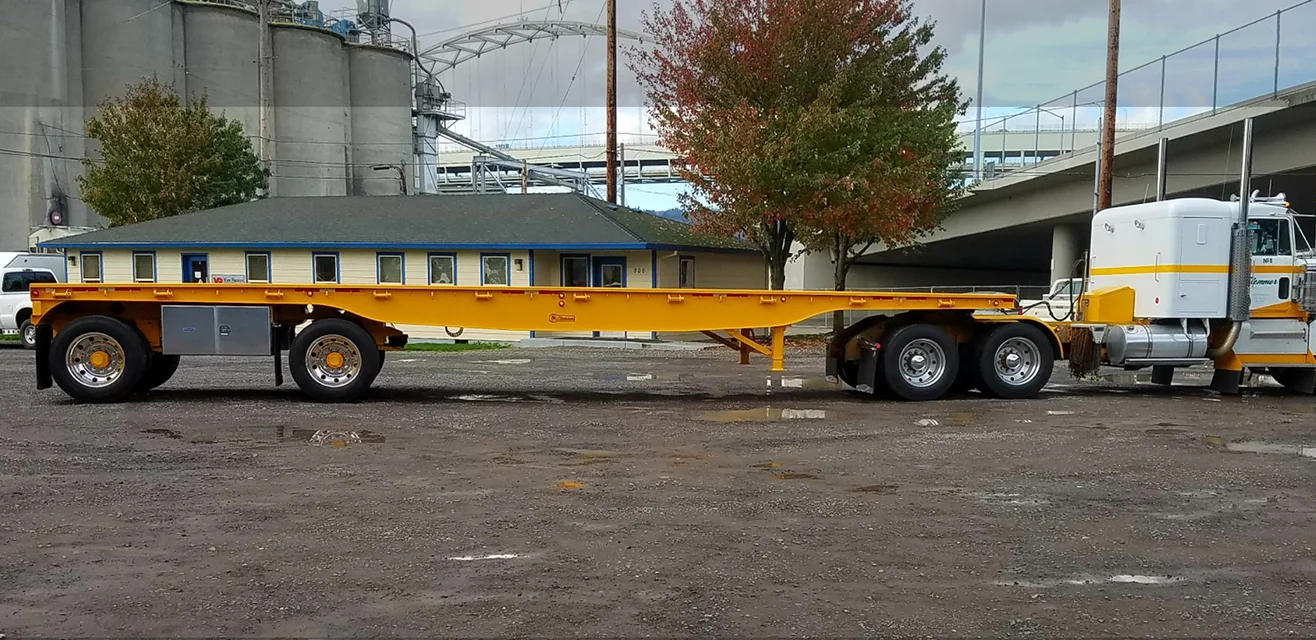
A trailer is a major workhorse for any fleet, handling tough jobs day after day until the wear finally catches up with it. When significant damage occurs, you have to run the numbers and decide whether a repair makes more financial sense than replacing the unit entirely.
There’s no universal answer here. A well-targeted repair can give a solid trailer several more years of reliable service, while an aging unit in poor condition might just keep draining your budget. Looking at the full picture of your long-term operating costs is what leads to the smartest decision for your business.
Start with the Trailer’s Overall Condition

#image_title
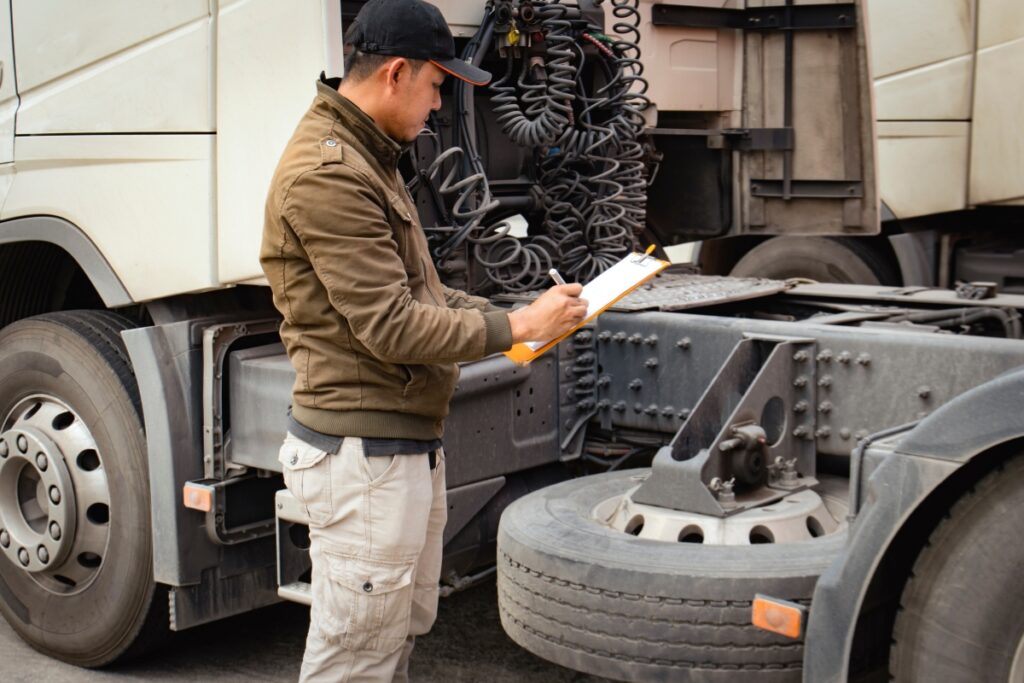
A complete inspection is always the right starting point. It gives you a clear picture of where the asset actually stands before any money changes hands.
A single damaged component doesn’t condemn a trailer to retirement. Many parts are straightforward to replace in isolation. The real trouble begins when the main frame has suffered severe damage or significant corrosion. When the core structure is compromised, spending money on smaller fixes stops making sense. A thorough inspection tells you whether the foundation is strong enough to justify a repair investment.
Compare Repair Costs with Replacement Costs
Don’t let a large repair estimate push you into a hasty replacement decision. Even a major invoice is typically far less expensive than purchasing a custom heavy-haul trailer from scratch. If the frame is solid, completing the repair is almost always the more economical path.
That said, there’s a point where you have to draw the line. When a trailer requires constant maintenance, those ongoing costs quickly erase any savings from avoiding a replacement. Continuous breakdowns also leave you with equipment you can’t fully rely on. Look honestly at your multi-year operational budget to determine whether the asset is genuinely worth rescuing.
Consider the Trailer’s Age
Don’t write off a trailer simply because it has significant mileage on it. Well-built equipment can remain productive for decades when it receives consistent, timely service. Age alone is a poor measure of remaining useful life.
An older trailer will naturally need more frequent attention for routine items like brakes and lighting. Because of this, maintenance history matters far more than the calendar. A trailer that has been properly maintained throughout its life is almost always worth repairing. One that has been neglected is a different situation entirely.
Look at Downtime
Every day a trailer is out of service costs you money, whether that’s missed jobs, overtime for other equipment, or rescheduling work. If a trailer requires extended shop time for complex repairs and has a history of unexpected breakdowns, the true cost of ownership goes well beyond the repair bills themselves.
Factor downtime into the comparison honestly. A replacement unit that stays running reliably may ultimately cost less over a two or three-year window than an older trailer that keeps pulling your team off schedule.
Evaluate Safety
#image_title
Protecting your drivers and other people on the road must always take priority over financial considerations. Operating a trailer with severe frame corrosion or structural cracks creates real risk, both for your team and for everyone else sharing the road.
Skilled technicians can restore minor structural damage without compromising the integrity of the rig. But when damage is severe, a new trailer is the only responsible option. Keeping your team safe isn’t just the right thing to do. It’s also the decision that protects your business from the consequences of a preventable incident.
Think About Maintenance History
Your service records tell you a great deal about how the trailer is likely to behave going forward. A unit that has gone through regular inspections and preventive maintenance typically remains dependable. Catching small issues early prevents them from escalating into major mechanical failures.
A trailer with no documented service history is a different story. Neglected equipment tends to reveal hidden damage and deferred wear in expensive ways. Reviewing the records helps you understand whether today’s breakdown is a random isolated event or part of a broader pattern of deterioration.
Consider Your Business Needs
Your trailer needs to match the work your business is actually doing right now. If your operations have evolved and you’re regularly hauling heavier loads or tackling bigger projects than you were a few years ago, your current equipment may no longer be adequate.
When your workload has outgrown your existing trailer, replacing it with a custom model designed for your current requirements makes sense both operationally and financially. A stronger frame or higher payload capacity can meaningfully improve efficiency on the job. On the other hand, if your existing trailer still fits what you’re doing, repairing it remains the more economical choice.
Watch for Repeated Repairs
A single major repair doesn’t mean it’s time to replace the asset. Routine component replacement is simply part of keeping any working vehicle on the road.
The situation changes when failures start compounding. If you’re addressing a significant brake issue and then immediately dealing with frame damage, that’s a pattern, not a coincidence. Recurring problems drain your maintenance budget while making it difficult to trust the equipment on long-distance hauls. Once repairs have become a consistent line item rather than an occasional expense, investing in a replacement starts to make more financial sense.
Fuel Efficiency Can Affect Long-Term Costs
Older trailers generally can’t match the efficiency of modern equipment. Current engineering improvements distribute weight more effectively, which reduces wear on your towing vehicles and cuts fuel consumption on highway runs. A newer unit probably can’t be justified on fuel savings alone, but those savings do add up meaningfully over time for high-mileage operations. Including efficiency gains in your cost comparison gives you a more accurate picture of what each option actually costs over its useful life.
Think About Resale Value

Timing your replacement decision can affect what you recover on the back end. Trailers in solid working condition command significantly higher resale prices than units with major structural issues.
Waiting until a trailer has suffered a total mechanical failure sharply limits your trade-in options and eliminates most of the asset’s remaining market value. Factoring current resale potential into your analysis makes it easier to offset the cost of a replacement and make the transition financially viable.
Don’t Ignore Structural Damage
Replacing tires, lights, and similar wear items is routine trailer ownership. Structural damage requires a different level of scrutiny.
Frame cracks, bent structural beams, and advanced rust directly undermine the payload capacity of the trailer and create real safety risk. Always have a qualified specialist evaluate this type of damage to determine whether a repair can genuinely restore the trailer to a roadworthy condition. Leaving structural problems unaddressed doesn’t save money. It leads to far larger bills down the road.
Preventive Maintenance Makes the Decision Easier
Staying on top of routine maintenance is the most effective way to avoid being forced into a difficult choice between a major repair bill and an unplanned replacement purchase.
Regular inspections catch developing problems while parts are still serviceable and affordable. Maintaining a strict schedule for checking brakes, suspension, axles, and lighting keeps the trailer roadworthy and eliminates most unplanned breakdowns. Trailers with consistent service histories reliably outlast equipment that only gets attention after something has already failed.
Work with Experienced Professionals
Deciding between a major repair and a replacement requires real expertise, not just a quick visual inspection.
A qualified mechanic can identify structural problems that aren’t obvious during a walk-around and give you a realistic estimate of future maintenance costs. Getting a professional assessment allows you to make a sound strategic decision rather than simply reacting to the latest invoice. Working with a specialist also ensures that any repairs completed use reliable parts that hold up over time.
Making the Right Financial Decision
Repair is highly cost-effective when the frame is sound and the trailer still fits your operational needs. Replacement becomes the right call when recurring repairs are draining your budget, structural issues are creating safety concerns, or ongoing downtime is disrupting your work.
The goal is to choose the path that genuinely serves your business over the long term.
Van Raden Industries helps fleet operators make informed decisions about their equipment. Their heavy-haul specialists can evaluate your trailer and give you a practical recommendation. Call 360-314-4965.