

The transportation industry runs on efficiency, reliability, and durability. Every day, thousands of trailers move essential goods across cities, states, and countries. From construction materials and heavy machinery to food and consumer products, trailers play a critical role in keeping supply chains intact. But like any equipment operating under demanding conditions, trailers experience wear, damage, and mechanical issues over time.
When a trailer is damaged or malfunctioning, the entire freight operation can be thrown off. Delays, safety concerns, and unexpected costs follow quickly. That’s why professional trailer repair services matter as much as they do. Through timely inspections, maintenance, and repairs, damaged trailers can be brought back to dependable working condition so freight keeps moving safely and on schedule.
Understanding the value of trailer repairs helps businesses, fleet operators, and drivers protect their equipment and maintain consistent transportation operations.
The Demands Placed on Heavy-Duty Trailers
#image_title
Heavy-hauling trailers are built to carry significant weight and hold up under challenging road conditions. They transport oversized loads, industrial equipment, raw materials, and large shipments across long distances. Because of those demands, trailers are constantly exposed to:
- Heavy loads that stress frames and suspension systems
- Long hours of continuous operation
- Rough road surfaces and potholes
- Harsh weather conditions
- Frequent loading and unloading
- Constant braking and acceleration
Over time, these factors wear down trailer components. Even the most durable trailers need maintenance and occasional repairs to stay safe and functional. Without proper attention, small issues can grow into serious problems that compromise both performance and safety.
Common Types of Trailer Damage
Trailer damage comes in many forms, from minor wear to major structural failure. Some problems develop gradually; others happen suddenly due to accidents or equipment failure.
Structural damage is one of the most common issues. Trailer frames endure enormous stress during transport, especially when carrying heavy or uneven loads. Cracks, bends, or weakened welds can compromise the trailer’s strength and need to be addressed right away.
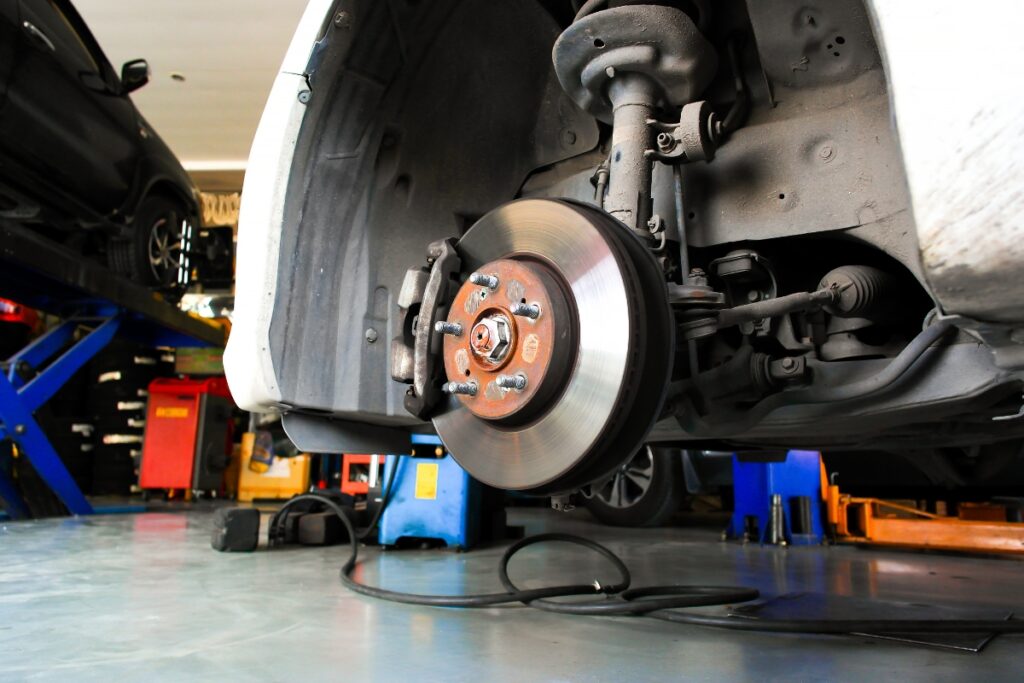
Suspension system problems are also frequent. The suspension absorbs road shocks and keeps the trailer stable during travel. Worn components can lead to uneven weight distribution, increased tire wear, and reduced handling control.
Brake system damage is another serious concern. Reliable braking is non-negotiable when transporting heavy freight. Worn brake pads, damaged air lines, or malfunctioning components create dangerous conditions on the road.
Floor damage is something many trailers face over time. Repeated loading and unloading of heavy equipment weakens flooring materials. Cracks, holes, or warping can affect both safety and cargo stability.
Electrical system problems round out the list. Broken trailer lights, damaged wiring, and faulty connectors reduce visibility and raise the risk of accidents. All of these issues underscore why professional trailer repair services are so important, catching and fixing problems before they worsen.
Why Prompt Trailer Repairs Matter
Putting off trailer repairs rarely works out well. Delays typically lead to more extensive damage and higher costs down the line.
Safety is the most immediate reason to act quickly. A damaged trailer puts drivers, other motorists, and cargo at risk. Structural weaknesses, faulty brakes, or worn tires all raise the likelihood of a serious incident on the road.
Regulatory compliance is another factor. Commercial trailers must meet strict safety standards and pass regular inspections. A trailer that fails an inspection due to mechanical issues can be pulled from service until repairs are completed, which creates its own set of problems.
Then there’s downtime. When a trailer is out of commission, shipments get delayed and schedules fall apart. For businesses that depend on consistent logistics, even brief interruptions can affect productivity and customer satisfaction. Addressing repairs promptly helps prevent all of these outcomes and keeps transportation operations running without disruption.
The Trailer Repair Process
#image_title
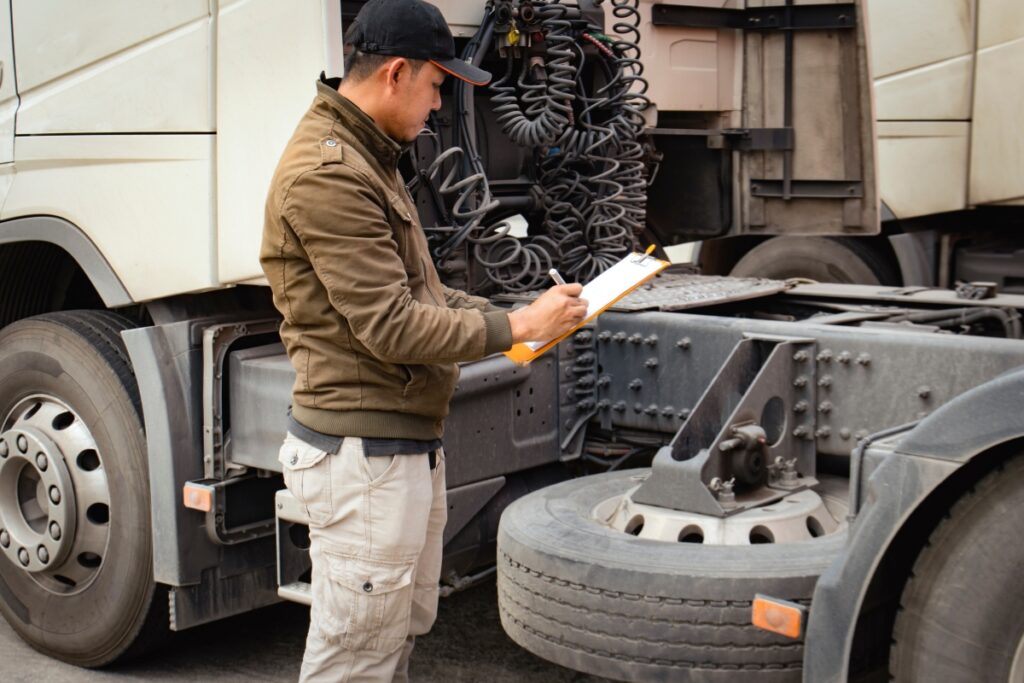
Professional trailer repair follows a structured process designed to restore damaged equipment to dependable condition.
It starts with a thorough inspection. Technicians examine the trailer’s frame, suspension, brakes, tires, lighting systems, and structural components to identify any issues. Advanced diagnostic tools may be used to detect problems that aren’t immediately visible. Once the issues are identified, a repair plan is developed. This outlines the necessary work, the replacement parts required, and the estimated time to complete the job.
From there, the repair and restoration work begins. Depending on the damage, this may involve welding structural components, replacing worn parts, repairing electrical systems, or reinforcing damaged sections.
After repairs are complete, the trailer goes through final testing and inspection to confirm all systems are functioning correctly and the trailer meets safety standards before returning to service. This systematic approach helps ensure reliable results that hold up under real working conditions.
Structural Repairs and Reinforcement
Structural repairs are among the most critical services trailer repair specialists provide. The frame is the backbone of the trailer, carrying the entire load during transport.
When frames develop cracks, bends, or weakened welds, technicians must carefully restore the structure using specialized welding techniques and reinforcement methods suited to the specific damage. In some cases, sections of the frame may need to be replaced entirely. Skilled fabricators can install new steel components and make sure they’re properly aligned and secured.
These repairs restore the trailer’s load-bearing capacity and extend its working life.
Brake, Suspension, and Mechanical Repairs
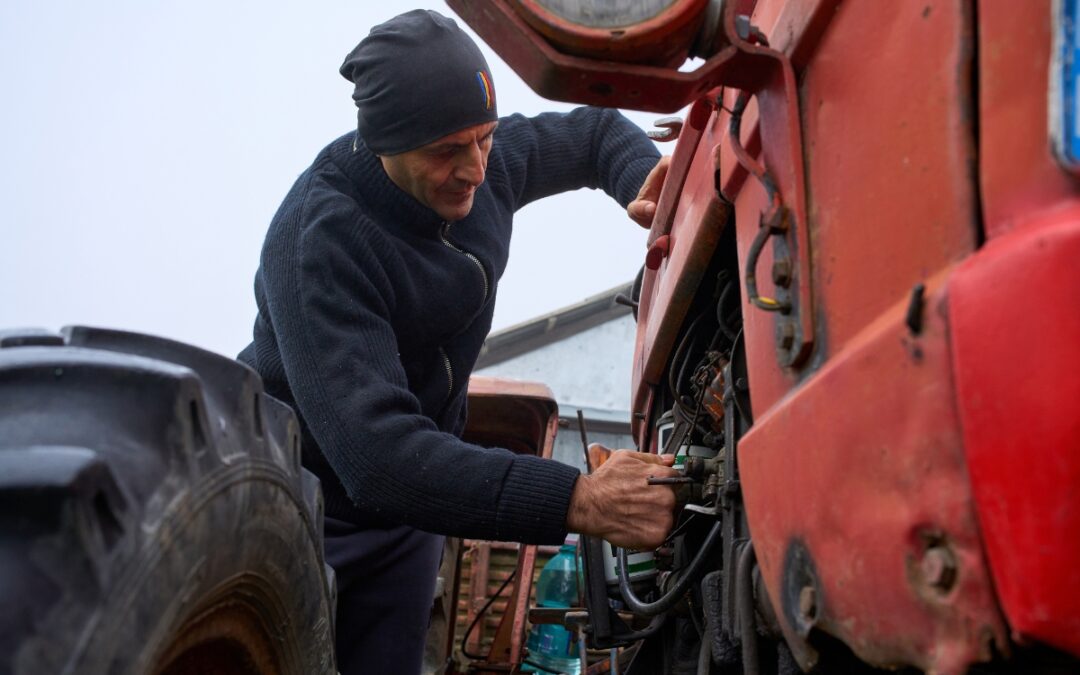
Mechanical systems are just as important as structural integrity when it comes to safe trailer operation. Brake systems, suspension components, and axles all play essential roles in stability and control.
Repair work in this area may include replacing worn brake components, repairing air lines, and ensuring braking systems operate correctly under load. Suspension systems may need new springs, bushings, or shock absorbers to restore proper balance and ride quality. Axle repairs are sometimes necessary when alignment issues develop or components become damaged.
Addressing these mechanical concerns helps trailers perform reliably under the kind of demanding hauling conditions they face every day.
Electrical and Lighting System Repairs
#image_title
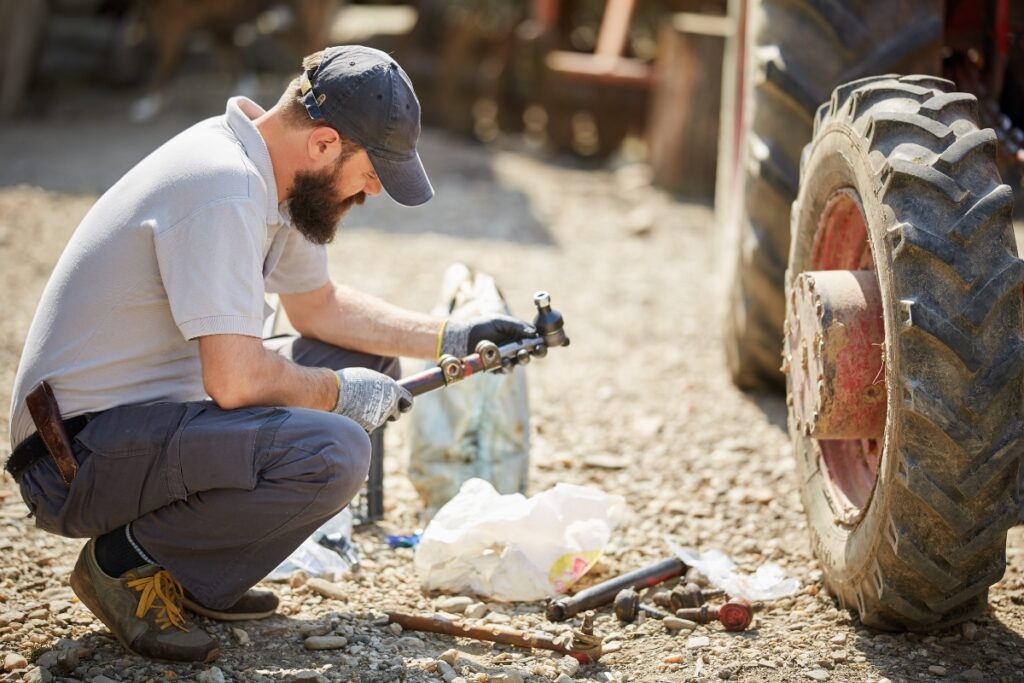
Trailer lighting and electrical systems are essential for road safety. Turn signals, brake lights, and marker lights communicate the truck’s movements to other drivers on the road.
Damaged wiring, corroded connectors, or broken lights compromise these safety features. Technicians inspect electrical systems carefully and replace faulty components as needed. Modern trailers may also include monitoring systems or sensors that require specialized expertise to repair correctly.
Keeping these systems in good working order ensures trailers stay compliant with safety regulations and remain visible during nighttime or low-visibility driving conditions.
Preventative Maintenance: The Key to Reliability
While repairs are essential when damage occurs, preventative maintenance is the most effective way to reduce the frequency and severity of those repairs in the first place.
Routine inspections allow technicians to catch early signs of wear before they turn into costly problems. Maintenance services typically include:
- Brake system inspections
- Tire checks and replacements
- Suspension evaluations
- Frame and weld inspections
- Lighting system testing
- Lubrication of moving components
Regular maintenance extends the life of trailer components and helps ensure consistent, predictable performance. For fleet operators, a solid preventative maintenance program can significantly reduce unexpected downtime and improve overall operational efficiency.
Supporting the Supply Chain
The modern supply chain depends on transportation that works. When trailers are in good condition, goods move efficiently from manufacturers to distributors, retailers, and customers.
Damaged or neglected trailers disrupt that flow. Delays in transit can cause shortages, missed delivery windows, and logistical complications that ripple through the entire chain.
Trailer repair professionals help prevent those disruptions by restoring damaged equipment and keeping trailers road-ready. Their work supports industries across the board, from construction and agriculture to manufacturing and retail.
Van Raden Industries LLC manufactures and repairs heavy hauling trailers. Contact us at 800-522-0099 or 360-314-4965, or email wvanraden@aol.com.