




Heavy hauling pushes equipment to its limit. When you’re moving massive, awkward, or expensive cargo, you need gear that won’t let you down. And not just any trailer can do this. The real question for fleet owners and operators is simple: do you go for a custom-built trailer, or stick with a standard, off-the-shelf model?
Both have their place. But the best choice depends on what you’re hauling, where you’re going, the rules you must follow, and what you want from your business down the road. Knowing how custom and standard trailers stack up can help you keep things running smoothly, cut downtime, and get the most out of your investment.
What Heavy Hauling Really Demands

Heavy haul trailers carry loads that blow past normal legal limits—think construction machines, huge industrial equipment, wind turbine parts, transformers, you name it. These loads push trailer frames, axles, suspensions, and brakes to extremes. But it’s not all about raw capacity. Performance means:
- Staying strong under constant stress
- Keeping cargo stable and balanced
- Meeting all the rules and regulations
- Handling tight corners and tricky roads
- Being easy to fix and maintain
Every design choice affects these factors, which is why the decision between a custom or standard trailer matters so much.
Standard Heavy Haul Trailers: The Basics
Standard trailers are the industry’s workhorses: mass-produced, ready-made, and built for the usual jobs. You’ll see lowboys, flatbeds, drop-decks, extendables—each made to common specs. So, why go for standard?
- Lower Price Tag – Standard trailers are cheaper right out of the gate. Manufacturers save by building in bulk, and buyers skip the extra cost of custom engineering.
- Faster Delivery – Need a trailer yesterday? Standard models are often sitting on lots or built on a set schedule, so you can get rolling sooner. No need to wait for a custom build.
- Proven Track Record – These trailers have seen it all. Their designs have survived countless miles and all kinds of jobs, so you know what you’re getting.
- Easy Repairs – Need a part? You’ll probably find it fast. Most repair shops know standard models inside out, which keeps costs and downtime low.
But where do standard trailers fall short? Of course, standard trailers aren’t perfect. They’re built for “average” jobs, not the outliers. Some common drawbacks are:
- They don’t always balance weirdly shaped loads well
- Limited when it comes to adjusting for extra-long or tall cargo
- Parts wear out faster if you push them too far
- You might need more permits or face more route restrictions
If you’re always hauling the same kind of load on the same route, you can probably live with these trade-offs. But if your jobs are all over the map, the headaches add up.
Custom Heavy Haul Trailers: Tailored to the Job

Custom trailers are built to fit your operation like a glove. Everything—from the length of the frame to the type of suspension, the deck height, axle count, all of it—is designed for your specific needs. So, what makes custom trailers worth it?
- Better Load Handling – Custom trailers match the exact size, shape, and balance of your cargo. That means smoother hauls, less strain on your gear, and a safer ride.
- Easier Compliance – With the right axle spacing and dimensions, you can dodge extra permits and make life easier when dealing with local or national rules. Over time, that saves real money.
- Built to Last – Custom builds take your real-world conditions into account—rough roads, long trips, lots of loading and unloading. Extra-strong frames and upgraded parts mean they stick around longer.
- More Efficient Operations – Features like hydraulic steering, removable goosenecks, adjustable decks, or modular add-ons can speed up loading, reduce how many people you need on the job, and give you more options on the road.
However, there are also custom trailer challenges. Custom trailers come with their own set of headaches. The price tag is usually higher, both for the initial build and the time it takes to get one delivered. There’s more to think about, too, such as:
- Design and build take longer
- You’ll deal with special parts that sometimes need to be made from scratch
- You need operators who know their way around more advanced systems
Still, a lot of heavy haul companies find that the extra effort pays off—they get better performance and save money in the long run.
Custom vs. Standard: How They Stack Up
- Load Capacity and Distribution – Standard trailers handle most everyday jobs, but they don’t always spread the weight right when you’re hauling odd-shaped or lopsided loads. Custom trailers let you put axles and reinforcements exactly where you need them, so you get less stress on the trailer and a smoother ride.
- Maneuverability and Route Access – Custom trailers can come with steering axles, decks that adjust in height, or modular setups. That means they can wiggle through tight spots that would stop a standard trailer cold. If you’re stuck with a regular trailer, you might need to find a longer route or add extra escorts.
- Maintenance and Repair – Standard trailers are easier to repair—parts are common, and almost any shop knows how to fix them. Custom trailers aren’t always as simple, but you can have them built with maintenance in mind, like reinforced areas that take a beating or parts you can swap out quickly. Over time, custom trailers often hold up better since they’re built for your exact job and aren’t pushed past their limits.
- Cost Over Time – Standard trailers cost less upfront, but the expenses can pile up if they’re not right for the job. More wear and tear, extra downtime, wasted fuel, and permit costs all add up. Custom trailers usually pay off for jobs that are specialized or repeat often. They run more efficiently and last longer, so you save money as the miles go by.
Picking What Works for You
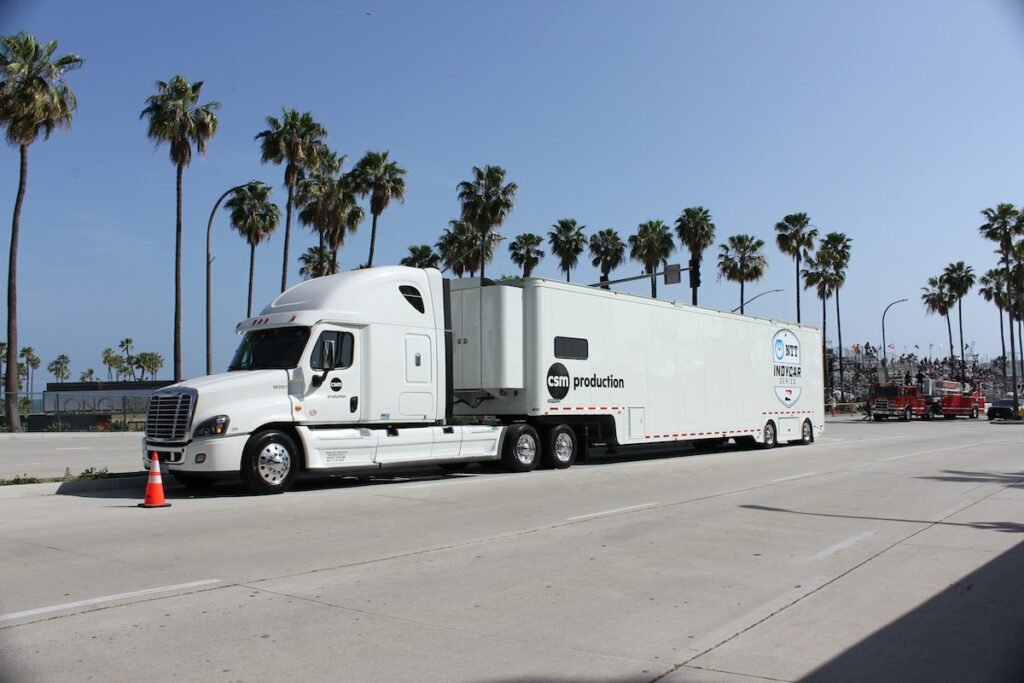
Don’t just look at the sticker price when deciding between custom and standard trailers. Let the numbers guide you. Standard trailers work best if:
- You haul the same kind of loads, and they’re not oversized
- Routes don’t change much
- You’re watching your budget
- You need equipment fast
Custom trailers are worth it when:
- Loads are huge, weirdly shaped, or extra heavy
- You’ve got tough routes or tricky regulations to deal with
- Your equipment is in constant use and downtime hurts
- You care more about efficiency in the long run
A lot of fleets mix it up—standard trailers for the usual work, custom ones for the oddball jobs.
Why Manufacturers and Repair Pros Matter
No matter which kind of trailer you pick, who builds and maintains it makes a huge difference. Good welding, smart design, and the right materials are key for safety and performance. Maintenance matters, too. Even the best trailer will let you down if you skip regular checks or put off repairs. Manufacturers who understand the realities of repairs can make trailers that are easier and cheaper to keep on the road.
Bottom Line: Build for Performance, Not Just Numbers
In heavy hauling, there’s more to a trailer than just how much weight it can carry. Performance covers safety, efficiency, durability, meeting the rules, and what it really costs to own and run. Standard trailers are affordable and easy to get, which makes them an obvious choice for lots of jobs. But when you have specialized needs, custom trailers give you an edge that lasts.
Van Raden Industries LLC is one of the leading companies that manufacture and repair heavy hauling vehicle trailers. For your inquiries, call us at 360-314-4965 or email us at wvanraden@aol.com.