




The heavy haul industry operates with almost no margin for error, and the equipment involved is massive. When you’re transporting a 150,000-pound transformer or a 100-foot wind turbine blade, the machinery is more than a tool. It’s a multi-million-dollar lifeline. The biggest threat to that equipment, however, isn’t always the weight it carries. It’s the environment it works in.
From corrosive salt fog along coastal routes to punishing winter cold and scorching desert heat, extreme conditions are a constant operational reality. Keeping a heavy haul fleet running through all of it takes more than routine oil changes. It requires a focused, specialized approach that treats maintenance as a frontline defense against the elements.
The Winter Front: Battling the Freeze
#image_title
Winter puts every system under pressure simultaneously: pneumatic, hydraulic, electrical, and structural.
The Air System’s Weak Spot
In heavy hauling, compressed air controls braking and often suspension leveling. Moisture is the primary adversary. When temperatures drop below freezing, condensation in the air lines can freeze into ice crystals, leading to valve blockages and brake failures.
The Solution: Drain air tanks daily. Replace the air dryer filter before the first frost of the season. High-quality airline antifreeze can help, but it should support a clean system, not substitute for regular maintenance.
Fluid Dynamics and Cold Starts
Standard lubricants can thicken significantly in below-zero temperatures, increasing drag on the engine during startup and accelerating wear on bearings and cylinders.
The Solution: Switch to full synthetic oils and low-viscosity gear lubricants for better cold-temperature flow. Install block heaters and oil pan heaters on any fleet operating in consistently cold climates.
Battery Health
A lead-acid battery can lose up to 50 percent of its cranking power at 0°F. For a heavy-duty engine that requires substantial cold-cranking amps, a weakened battery often means a failed start.
The Solution: Load-test all batteries every fall. Clean terminals to prevent high-resistance connections and verify the charging system is operating efficiently to keep batteries fully charged during short winter runs.
The Corrosive Coast: Defeating Salt and Humidity
Hauling near the ocean or on roads treated with liquid de-icers like magnesium chloride puts your fleet in a near-constant chemical bath. Corrosion quietly damages wiring harnesses and structural steel long before it becomes visible.
Electrical Integrity
Saltwater is a strong conductor. Once it breaches wire insulation, copper oxidation can spread along the conductor, causing intermittent lighting failures or ABS sensor errors that are difficult to trace and diagnose.
The Solution: Apply dielectric grease to every electrical connection. Ensure all junction boxes are sealed with high-quality gaskets. For heavy haul applications, heat-shrink connectors are a significant upgrade over standard crimps in terms of long-term durability and moisture resistance.
Structural Integrity and Wash Culture
The trailer frame and the tractor’s fifth wheel absorb enormous stress in service. Corrosion creates pits in the steel that become stress concentration points where cracks can develop over time.
The Solution: Establish a rigorous undercarriage wash program using salt-neutralizing detergents rather than plain water rinses. After washing, apply a high-quality corrosion inhibitor, either wax or oil-based, to frame rails and all exposed metal surfaces.
The Desert Inferno: Managing Thermal Stress

While cold freezes components, extreme heat causes them to expand, weaken, and fail in different ways. Desert road surface temperatures can exceed 150°F, creating a severe environment for tires and cooling systems alike.
The Cooling System
A heavy haul engine generates an enormous amount of heat. In ambient temperatures above 100°F, the radiator, charge air cooler, and oil cooler are all operating near their limits.
The Solution: Keep the cooling stack clean. Dust and debris clog radiator fins and significantly reduce heat exchange efficiency. Pressure-wash the exterior of the cooling cores regularly. Also verify that the coolant-to-water ratio is correct since too much antifreeze can actually reduce the fluid’s ability to carry heat away from the engine.
Tire Management: Preventing Blowouts
Heat is the leading cause of tire failure. In heavy hauling, where axle loads are at or near maximum, internal friction generates additional heat on top of what the road surface already provides. Under-inflation causes sidewalls to flex excessively, creating the conditions for a zipper rupture.
The Solution: Use nitrogen inflation where possible, as it responds more predictably to temperature changes than compressed air. Monitor tire pressure actively using TPMS (Tire Pressure Monitoring Systems). In extreme heat, never bleed air from a hot tire. The pressure increase is expected and is built into the tire’s design specifications.
Hydraulic Health Across Temperature Extremes
Heavy haul trailers, particularly lowboys with detachable goosenecks and multi-axle steering configurations, are heavily dependent on hydraulics. Hydraulic fluid responds directly to temperature changes in ways that can compromise both performance and safety.
- In the heat: High temperatures thin hydraulic oil, reducing its lubricating properties and creating conditions for pump cavitation and seal failure.
- In the cold: Thick oil slows system response and can over-pressurize seals at startup, causing them to burst.
The Maintenance Fix: Use multi-viscosity hydraulic fluids engineered for wide operating temperature ranges. Inspect hoses regularly for UV cracking in sunny climates and brittleness in cold ones. A hydraulic hose failure during a heavy lift is not a maintenance inconvenience. It’s a serious safety event.
The Human Element: Training for the Storm

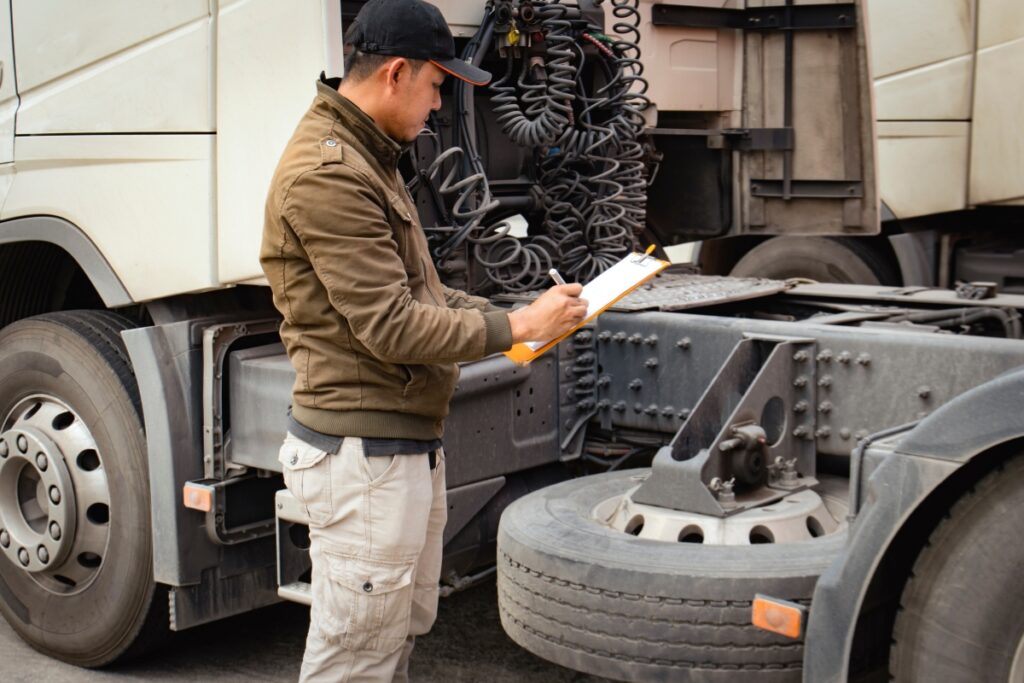
Even the most sophisticated maintenance program will fall short if drivers aren’t acting as the first line of defense. In extreme conditions, the pre-trip inspection is the most critical twenty minutes of the working day.
Pre-Trip Education
Drivers need specific training to recognize extreme-weather warning signs: the white crust of salt buildup on the undercarriage, the smell of burnt gear oil in high heat, or the sluggish movement of a hydraulic ram on a cold morning. These are the early signals that prevent larger failures.
Emergency Kits
Maintenance extends to keeping the right gear on board. Every heavy haul cab should be equipped for the conditions on its route. Winter routes need chains, salt, and shovels. Desert routes need extra water and UV protection. Neither is optional when you’re operating a loaded multi-axle rig in an isolated environment.
The ROI of Proactive Maintenance
Synthetic oils, specialized coatings, and regular undercarriage washes can look like additional overhead. In heavy hauling, they’re actually risk mitigation. The costs of a breakdown in this industry are compounded by factors that don’t apply to standard trucking:
- Specialized Recovery: A loaded 12-axle trailer can’t be handled by a standard tow truck. Recovery costs are substantial.
- Permit Complications: Heavy haul permits are typically tied to specific dates and routes. A two-day breakdown can cause permits to expire, adding delay and cost to the renewal process.
- Reputational Risk: Clients in power generation, construction, and aerospace operate on tight schedules. A preventable weather-related failure can cost a carrier future contracts.
Respecting the Elements
A heavy haul fleet is an extraordinary feat of engineering, but it isn’t indestructible. Weathering the storm means accepting that the environment is constantly working against your equipment. By moving from a reactive “fix it when it breaks” mindset to a climate-specific, proactive maintenance strategy, fleet managers can keep their equipment as capable as the loads it’s built to carry.
Whether it’s the salt air of the Atlantic coast, the ice of the Rockies, or the baking heat of the Mojave, the goal stays the same: keep the wheels turning, the cargo secure, and the fleet ready for the next demanding job.
Van Raden Industries LLC specializes in the manufacturing and repair of heavy hauling trailers. Call 800-522-0099 or 360-314-4965, or email wvanraden@aol.com.