



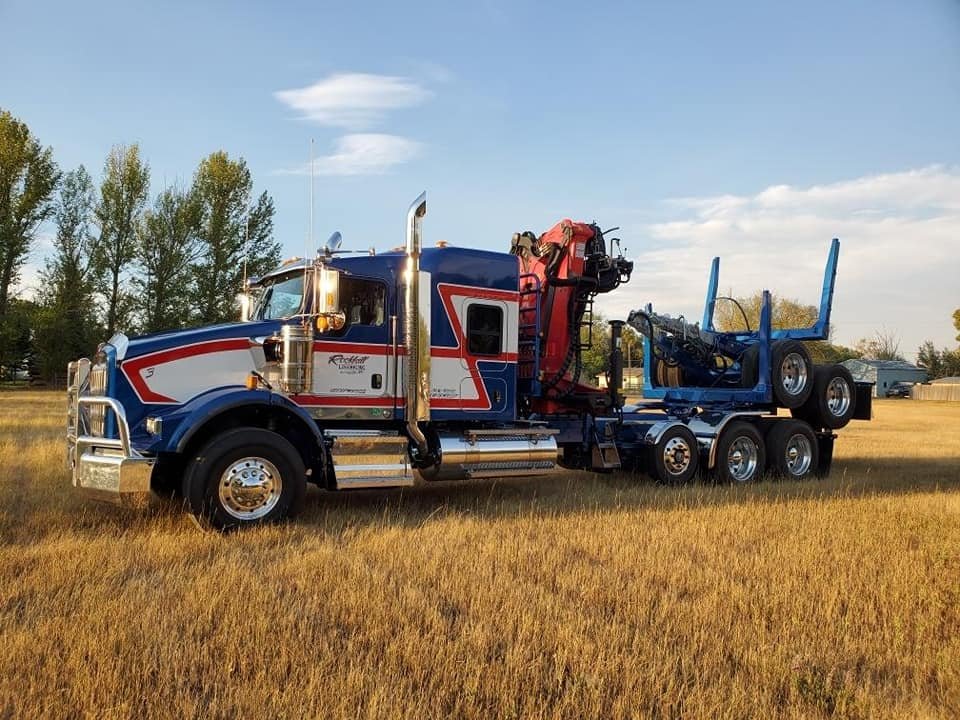
Nowadays, there is a greater demand for heavy hauling, specifically in the field of logistics and transportation. Transporting huge, oversized, or overweight equipment, including construction machinery, industrial components, farm equipment, and specialized vehicles, requires more than just a powerful truck and trailer. In fact, it requires expertise, precision, planning, and total commitment to safety.
For fleet managers, independent operators, and business owners, it’s important that they get the most out of every haul without compromising safety. The good news is that in this guide, we’re going to explore expert tips, best practices, and proven strategies for heavy hauling, making every trip safe, efficient, and cost-effective.
Start with Proper Load Planning

When it comes to efficient heavy hauling, it all starts long before the trailer hits the road. With proper planning, delays can be avoided, risks can be reduced, and compliance can be ensured.
First, it is crucial to understand load dimensions and weight. Obviously, not all equipment has the same shape, size, and weight distribution characteristics. Hence, before deciding on a trailer, you should first determine the overall weight, center of gravity, attachment or detachable parts, as well as length, width, and height. The type of trailer you require will be dependent on these measurements. Additionally, this can also guarantee that you stay within legal hauling limits.
Be sure that the trailer matches the load. Choosing the right trailer can greatly influence efficiency and safety. There are some things to consider. For instance, lowboy trailers are meant for tall and heavy machinery. While gooseneck or RGN trailers are designed for easy loading, flatbeds should be used for less complicated oversized cargo. Finally, multi-axle trailers are built for extreme weight loads. Keep in mind that choosing the wrong type of trailer may lead to load imbalance, excessive fuel consumption, or safety hazards on the road.
Comply with both Local and Federal Regulations
For safe heavy hauling, you’ll need permits and compliance. Bear in mind that regulations differ by city, state, and country, so be sure to always keep yourself informed. Don’t forget to acquire the required permits. In case you are hauling oversized or overweight loads, you’ll need oversized load permits, escort or pilot vehicles, travel time restrictions, and route-specific approvals.
Ignoring these permits could lead to heavy fines, delays, and operational shutdowns. Ensure that you know your travel restrictions. In some regions, night traveling, bridge or infrastructure access, peak traffic time, and seasonal road closures are restricted. This is being done to improve planning around the restrictions while enhancing timing and making transport smoother.
Perform Complete Equipment Inspection
Unfortunately, one of the greatest risks in heavy hauling is equipment failure. When a safety-focused inspection is done, it can guarantee that your truck and trailer are safe and well-prepared for the journey. Your truck and trailer should be properly checked before every haul. Some of the things you need to check include brakes and air systems, lights, reflectors, and safety flags, axles, tires, suspension, hydraulic or mechanical systems, hitch, couplers, and locking pins.
Load securement tools must also be thoroughly inspected. This includes chains, binders, straps, and ratchets. Make sure that they are in good condition and do not show any signs of fraying, cracks, rust, or deformation. Even one damaged strap can already compromise the load.
Proper Load Securement Techniques
It requires technical skills to properly secure heavy machinery since it can greatly influence its safety and efficiency. It is recommended to follow FMCSA Securement Standards. The Federal Motor Carrier Safety Administration offers specific regulations when it comes to minimum tie-down numbers, working load limits, use of anchor points, and special equipment requirements. It is vital to comply with these standards. Aside from guaranteeing cargo’s safety, it can also help in preventing costly penalty violations.
Choose the proper type of tie-down. Every cargo requires unique methods of securement tools. For instance, chain binders and heavy-duty chains are designed for steel and machinery. Straps should be used for lighter, oversized loads. Wheel chocks and wedge blocks are created for wheeled equipment. It is important that the load be balanced properly.
With efficient weight distribution, trailer fishtailing, excessive fuel consumption, tire blowouts, and long braking distances can be prevented. It is suggested that at least 60% of the load should be centered over the trailer axles for optimal stability.
Choose a Safe and Efficient Route

One of the most important components of heavy hauling is routing, especially if your load exceeds normal dimensions. Be sure to avoid low clearances and structural hazards. As much as possible, do not use routing tools and state mapping services because of low bridges, weak overpasses, narrow lanes, sharp bends, and restricted roads. Keep in mind that a minor mistake, even with a small clearance calculation, could likely impede the whole operation.
There should be a plan for emergencies and rest stops. To ensure safe hauling, there should be several checkpoints to reinspect methods of load securing, refuel, rest, and reset driver hours, as well as address unexpected issues. A planned route along with scheduled stops can help in reducing stress while keeping the processes operating smoothly.
Train Drivers in Heavy Haul Best Practices
Expert drivers play an important role when it comes to efficient heavy hauling. With proper training, they can remain skilled, confident, and compliant. Be sure to concentrate on specialized skills. It is crucial that heavy haul drivers are well-trained in maneuvering long or oversized trailers, backing with multi-axle systems, dealing with shifting weight, emergency braking and evasive action, and load securement regulations.
Continuous learning should be greatly encouraged. From time to time, drivers go through refresher workshops, upgrades in certification, and hands-on refreshers, allowing them to keep atay updated and enhance safety standards.
Improve Safety with Technology
Modern technology has made a great contribution to heavy hauling in terms of efficiency and safety. For instance, the use of GPS and Telematics. With GPS and real-time telematics, you can have the correct route tracking, vehicle and cargo monitoring, alerts for delays or detours, and fuel consumption insights. Consider installing onboard cameras.
Dash cams and load cameras can help to detect problems early, improve driver safety, and 1offer proof when there are disputes or accidents. Be mindful of the trailer weight sensors. Today, advanced trailers can detect load imbalance and overweight conditions, as well as shifting cargo. With the help of these notifications, accidents can likely be prevented.
Communicate Clearly with Your Team

For efficient heavy hauling, there should be coordination among dispatchers, drivers, loaders, escorts, and clients. Be sure to set clear expectations. Before departing, there are some important things that must be confirmed. This includes pickup and delivery windows, loading/unloading instructions, permit requirements, your contact person at every location, and be sure that all information is current. Use communication tools such as radios, mobile apps, and dispatch systems to guarantee that everything is aligned during the operation.
Ensure Safety at Loading and Offloading Locations
Unfortunately, most accidents happen during loading. That is why it is important that safe procedures be established to reduce risks. Ground Guidance must always be followed. Spotters should guide machinery operators and drivers, especially during reverse movements, maneuvering in tight spaces, and ramp positioning. There should be stable ground. Trailers must be loaded on level ground, non-slip surfaces, and areas that do not have loose gravel or mud.
Van Raden Industries LLC specializes in the manufacturing and repair of heavy haul trailers. For more information, just contact us at 800-522-0099 / 360-314-4965 or email us at wvanraden@aol.com.