



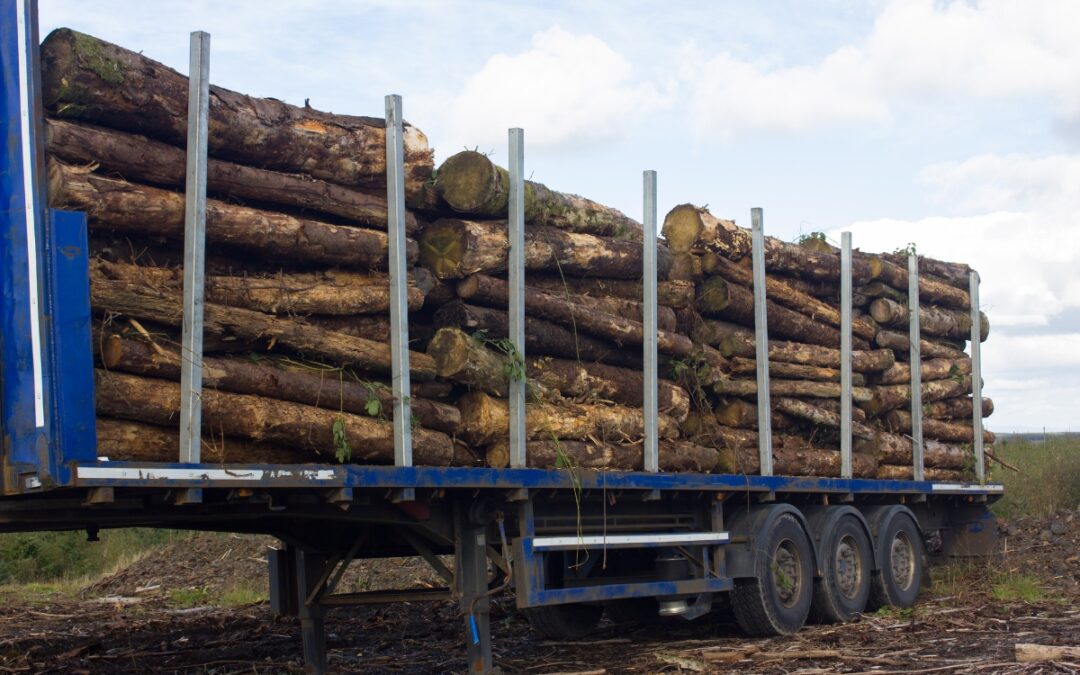
Heavy haul trailers are built to work hard. Constant use puts stress on every part of the trailer. Over time, that stress can lead to damage. Improper loading can speed up wear, while missed maintenance can allow small problems to grow. Understanding what causes trailer damage makes it easier to catch problems early. It can also help reduce downtime and extend the life of the trailer.
1. Overloading

Heavy haul trailers are designed to carry substantial loads, but every trailer has weight limits. Exceeding those limits places additional stress on the trailer’s structure. Overloading can cause excessive strain on the frame. It can also affect how the trailer handles on the road.
Repeated overloading can accelerate wear and increase the risk of component failure. The damage may not be obvious at first, which makes regular inspections especially important. Operators should know the trailer’s rated capacity before loading equipment. Staying within those limits helps prevent unnecessary stress and keeps the trailer operating as designed.
2. Poor Load Distribution
The total weight of a load is not the only concern. Where that weight sits on the trailer also matters. A poorly positioned load can put too much pressure on one part of the trailer. This can create uneven stress while the trailer is moving.
Poor weight distribution can also affect handling. The trailer may respond differently during turns or when braking. Heavy equipment should be positioned according to the trailer’s design and the requirements of the load. Proper placement helps distribute weight more evenly and reduces unnecessary strain.
3. Rough Road Conditions
Heavy haul trailers often operate on roads that are harder on equipment. Uneven surfaces can create repeated impacts while the trailer is moving. A large pothole can place a sudden load on the suspension. Repeated impacts can eventually contribute to component wear.
Construction routes can be particularly demanding because road surfaces may change throughout a project. Operators may have limited control over the condition of the roads they use.
Reducing speed when road conditions require it can help limit severe impacts. After traveling through difficult conditions, a quick inspection can also reveal damage before the next trip.
4. Worn Suspension Components
#image_title
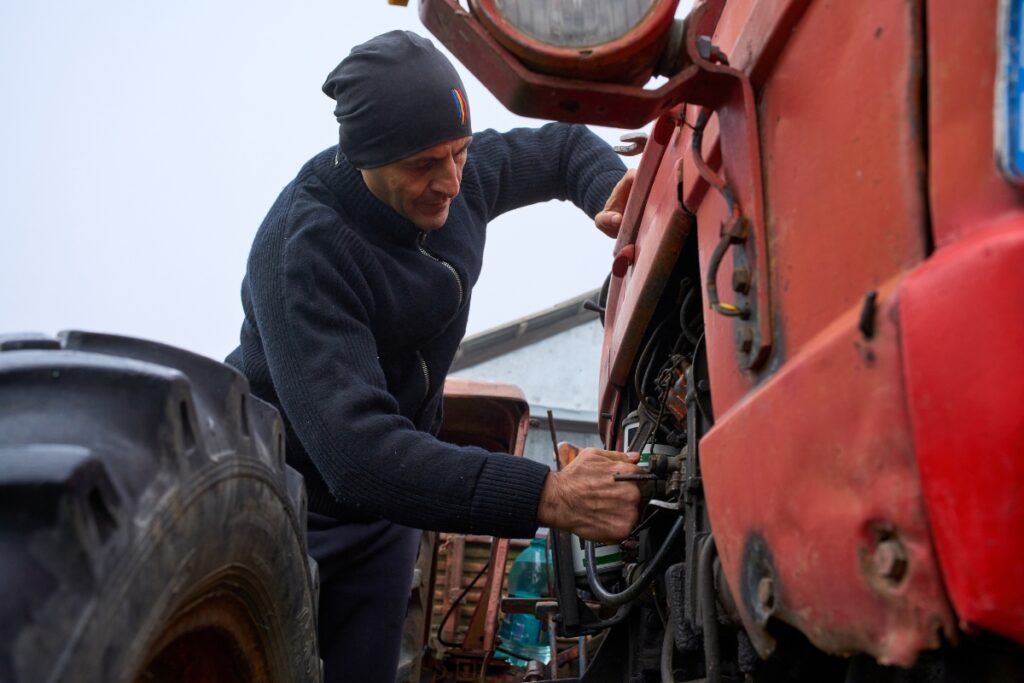
The suspension helps the trailer support its load and respond to changes in the road. When suspension components wear out, the trailer may no longer perform as intended. A damaged suspension component can change how weight is distributed. It can also affect the trailer’s handling.
Continued use can place additional stress on other components. A suspension problem that is ignored may eventually lead to more extensive repairs. Regular inspections can help identify suspension wear early. Replacing worn components before they fail can help protect the rest of the trailer.
5. Brake Problems
Heavy loads require reliable braking performance. The trailer’s braking system must work properly throughout every trip. Worn brake components can reduce braking performance. This can become a serious concern when the trailer is carrying a heavy load.
Brake problems can also become worse when they are ignored. A small issue may eventually require more extensive repair. Regular brake inspections are an important part of heavy haul trailer maintenance. Problems should be addressed as soon as they are identified rather than waiting for a failure.
6. Tire Wear
Trailer tires carry the weight of both the equipment and the trailer itself. This makes tire condition important to overall trailer performance. Improper tire pressure can increase wear. It can also affect how the trailer responds on the road.
Uneven tire wear may indicate a problem elsewhere in the trailer. It can sometimes point to an issue with alignment or weight distribution. Tires should be checked regularly for proper inflation and signs of wear. Replacing damaged tires before they fail can help prevent unexpected downtime.
7. Frame Stress
The frame is one of the most important structural parts of a heavy haul trailer. It supports the load and absorbs forces created during operation. Repeated heavy loading can place significant stress on the frame. Over time, that stress can contribute to structural fatigue.
Visible cracks should never be ignored. A damaged frame can affect the trailer’s ability to safely support its intended load. Frame problems should be evaluated by a qualified professional. Structural repairs require careful attention because the frame directly affects the trailer’s strength and stability.
8. Road Debris and Impact Damage
#image_title
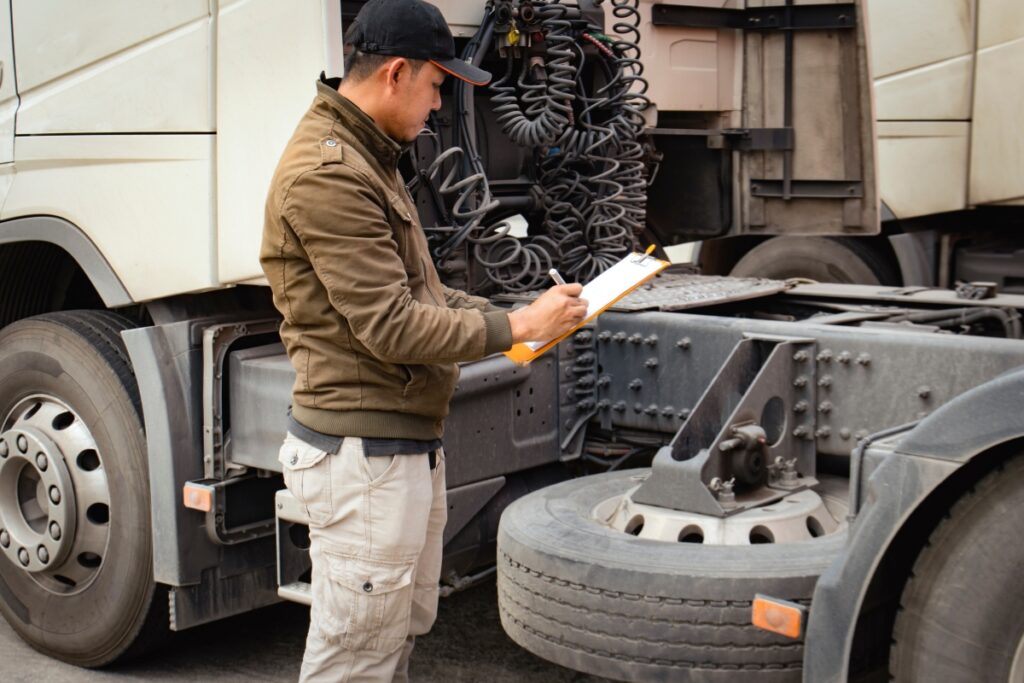
Road debris can cause sudden damage to a trailer. An impact may affect a component without immediately causing an obvious failure. Damage from an impact can become more serious if the trailer continues operating without an inspection. Affected components may experience additional stress during later trips.
Operators should pay attention after hitting an object or encountering an unusually severe impact. An inspection can determine whether the trailer sustained damage. Identifying impact damage early can prevent a minor problem from developing into a larger repair.
9. Improper Repairs
Previous repairs can sometimes contribute to further trailer damage. A repair that does not properly address the original problem may allow the issue to return. Heavy haul trailers have specialized requirements. Repairs need to account for the trailer’s design and the demands placed on it during operation.
Using the wrong repair method can create additional stress on the affected component. It may also shorten the time before another repair is needed. Major repairs should be handled by professionals who understand heavy hauling equipment. Van Raden Industries specializes in manufacturing and repairing heavy hauling trailers and related equipment.
10. Lack of Preventive Maintenance
Regular maintenance allows operators to catch problems before they become failures. Without it, small issues can continue unnoticed. A component may show early signs of wear without immediately affecting trailer performance. Waiting until the trailer stops working can turn a manageable repair into a major disruption.
Maintenance should follow the trailer’s requirements and operating conditions. Equipment that works under heavy loads may require closer attention because of the demands placed on it. Keeping maintenance records can also help operators track recurring problems. This makes it easier to plan repairs and avoid unnecessary downtime.
11. Corrosion
Exposure to moisture can gradually affect metal trailer components. Corrosion can weaken parts when it is allowed to progress. Trailers that regularly operate in wet conditions may face greater exposure to moisture. Dirt and debris can also remain trapped in areas that are difficult to clean.
Early corrosion may appear minor, but continued deterioration can eventually affect structural components. Regular cleaning and inspection can help identify affected areas. When corrosion is found, it should be assessed before the trailer continues operating under heavy loads.
How to Prevent Heavy Haul Trailer Damage

Some wear is inevitable with heavy use. Proper operation can help limit unnecessary damage. Load equipment within the trailer’s capacity and position the weight correctly. Inspect the trailer regularly for changes in its condition or handling. Do not wait for a failure before addressing worn components. Inspect the trailer after especially difficult trips to catch damage early.
Protect Your Trailer From Preventable Damage
Visible damage is often easy to spot. Other problems require a professional inspection to identify the cause. An inspection is important when structural damage appears, or an issue keeps returning. Heavy haul trailers operate under significant stress, so repairs should address the cause, not just the damaged part.
Regular inspections can catch problems before they become costly. Addressing damage early can also help minimize downtime and keep your trailer ready for demanding work. Van Raden Industries provides heavy haul trailer manufacturing and repair services. If your trailer needs attention, contact Van Raden Industries at 360-314-4965 for professional service.